
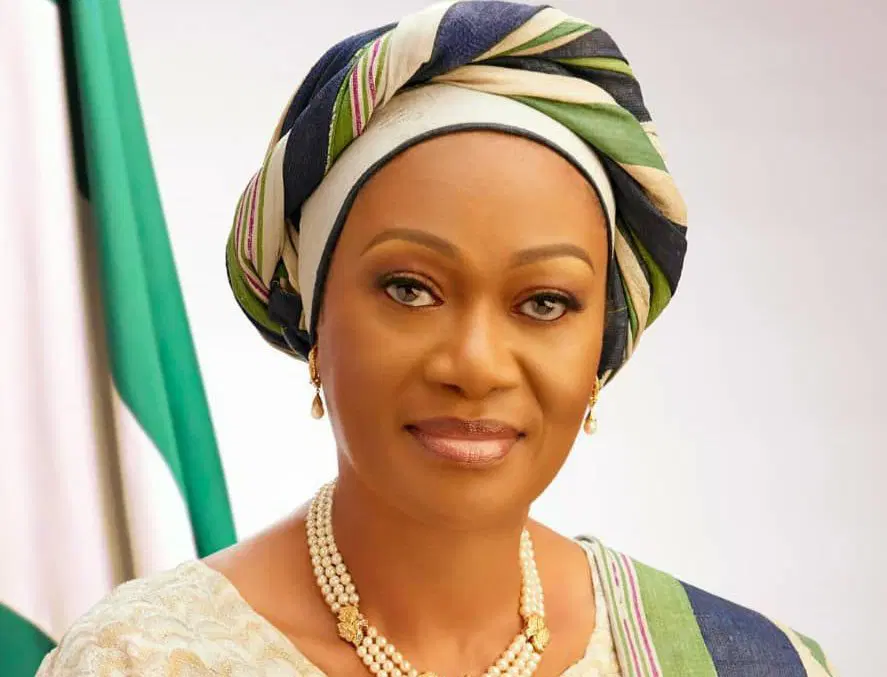
Oluremi Tinubu, popularly known as Remi Tinubu, is one of the most influential women in Nigerian politics and currently serves as the First Lady of Nigeria following the election of President Bola Tinubu.
Over the years, she has built a political career of her own while also remaining a central figure in Nigeria’s ruling political structure.
Early Life and Education
Remi Tinubu was born on September 21, 1960, in Ogun State. She studied at Obafemi Awolowo University and later became involved in education, business, and public service before entering politics.
She is married to President Bola Tinubu, one of Nigeria’s most influential political figures.
Political Career and Public Service
Before becoming First Lady, Remi Tinubu served as a senator representing Lagos Central Senatorial District for multiple terms in the National Assembly.
During her time in the Senate, she focused on issues involving women empowerment, youth support, healthcare, and social welfare programs.
Supporters often describe her as disciplined, experienced, and influential within Nigeria’s political space.
Public Support and Positive Perception
Many supporters credit Remi Tinubu for promoting women’s participation in politics and supporting humanitarian initiatives.
Her public engagements, empowerment programs, and advocacy for social development have earned praise from members of the ruling party and some civil society groups.
Supporters of the Tinubu administration also argue that the current government has introduced economic reforms aimed at stabilizing Nigeria’s economy, improving infrastructure, and attracting foreign investment.
They point to subsidy reforms, tax adjustments, and policy restructuring as steps intended to strengthen long-term economic growth.
Criticism and Public Concerns
Despite support from political allies, Remi Tinubu and the administration of President Bola Tinubu have also faced criticism from opposition parties and many Nigerians struggling with economic hardship.
Critics argue that recent economic policies, including fuel subsidy removal and currency reforms, have contributed to rising living costs, inflation, and transportation expenses.
Some Nigerians have also expressed concerns about unemployment, insecurity, and the overall economic situation under the current administration.
Public reactions on social media and in political discussions remain divided, with supporters defending the government’s reforms while critics demand faster improvements in living conditions.
Role as First Lady
As First Lady, Remi Tinubu continues to participate in social intervention programs, women-focused initiatives, and public advocacy campaigns.
Her office has supported programs related to healthcare, education, and family welfare across different parts of Nigeria.
She frequently represents the presidency at official events and national ceremonies.
Public Image and Political Influence
Political analysts consider Remi Tinubu one of the most influential female figures within Nigeria’s ruling political establishment.
While supporters see her as experienced and supportive of national development initiatives, critics continue to evaluate her role within an administration facing economic and political pressure.
Remi Tinubu in Nigeria Today
Today, Remi Tinubu remains a major public and political figure in Nigeria.
Her activities as First Lady, combined with national conversations surrounding the Tinubu administration, continue to shape public debate across the country.