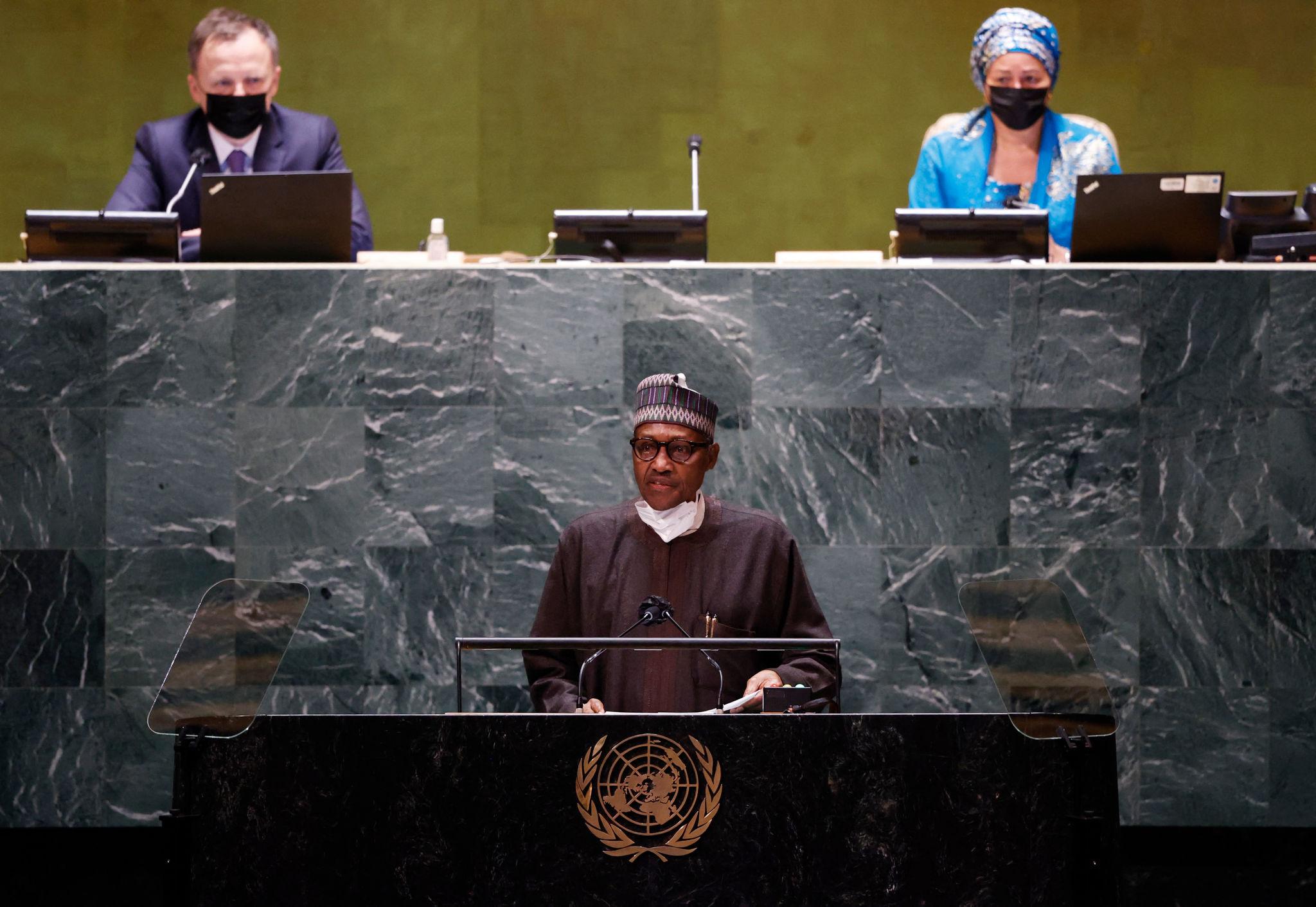
Muhammadu Buhari is one of Nigeria’s most influential political and military figures, known for serving both as a military Head of State and later as a democratically elected President.
Buhari played a major role in Nigeria’s political history for several decades, gaining national attention through his anti-corruption campaigns and leadership style.
Early Life and Background
Muhammadu Buhari was born on December 17, 1942, in Daura, Katsina State, Nigeria.
He attended primary and secondary schools in Katsina before joining the Nigerian military at a young age.
Buhari later received military training in Nigeria, the United Kingdom, India, and the United States during his early years in service.
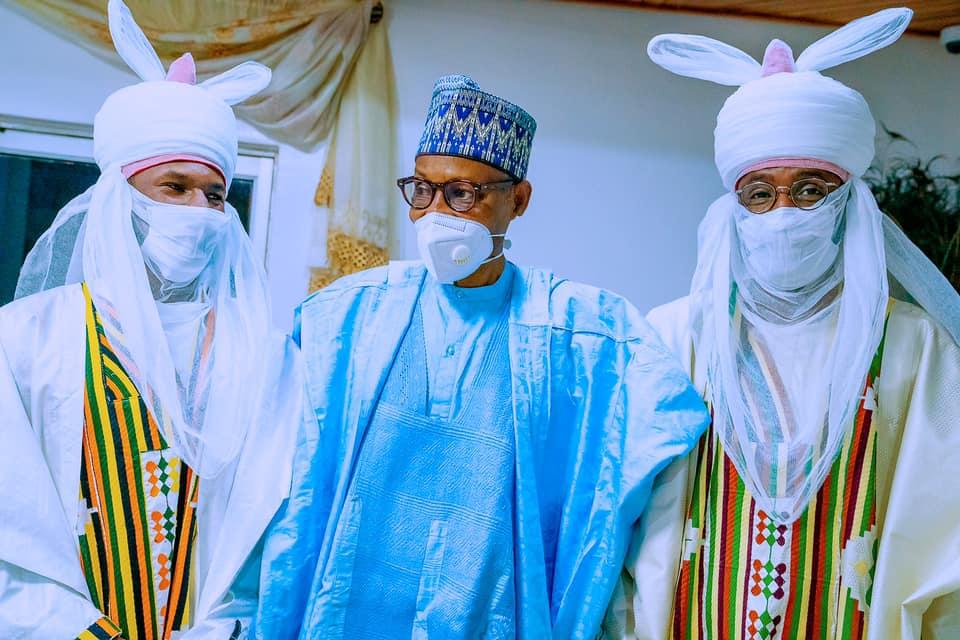
Military Career
Buhari began his military career in the Nigerian Army and rose through the ranks over the years.
He held several strategic military positions and participated in important operations during Nigeria’s military era.
In December 1983, Buhari became Nigeria’s military Head of State after a coup that overthrew the civilian government of former President Shehu Shagari.
During his military administration, Buhari launched the “War Against Indiscipline,” a campaign aimed at promoting order, discipline, and anti-corruption measures across the country.
His government remained in power until August 1985 when another military coup removed him from office.
Return to Democratic Politics
After years away from power, Buhari returned to politics following Nigeria’s return to democracy in 1999.
He contested several presidential elections before eventually winning the 2015 presidential election under the platform of the All Progressives Congress.
His victory made him the first opposition candidate in Nigeria’s history to defeat a sitting president at the polls.
Buhari defeated then-President Goodluck Ebele Jonathan in the election.
Buhari’s Presidency
Muhammadu Buhari served as Nigeria’s President from 2015 to 2023.
His administration focused on three major priorities:
- Security and the fight against terrorism
- Anti-corruption campaigns
- Economic reforms and infrastructure development
During his presidency, the government invested in rail projects, road construction, agriculture, and social investment programmes.
His administration also faced challenges including economic recession, inflation, insecurity, and rising unemployment.
Re-Election in 2019
Buhari won re-election in 2019, securing a second term in office.
He continued implementing infrastructure and security policies while overseeing major government projects across different sectors.
Life After Presidency
After completing his second term in 2023, Buhari handed over power to President Bola Ahmed Tinubu.
Since leaving office, Buhari has remained a respected figure in Nigerian politics and continues to receive recognition for his decades of public service.
From his years in the military to serving two terms as Nigeria’s civilian President, Muhammadu Buhari remains one of the most prominent leaders in the country’s history.
His influence on Nigeria’s politics, governance, and anti-corruption efforts continues to shape national discussions.